Two legal permit frameworks that often cause confusion among digital entrepreneurs: PSE (Penyelenggara Sistem Elektronik or Electronic System Operator) registration and the e-commerce business license, or SIUPMSE.
This guide breaks down the difference between PSE and e-commerce licensing, who needs them, and why they matter.
What Is a PSE License

PSE stands for Penyelenggara Sistem Elektronik. It is the official registration required by the Ministry of Communication and Informatics (Kominfo) for any operator that manages, provides, or operates an electronic system for Indonesian users.
An electronic system includes any digital infrastructure that collects, processes, stores, or distributes electronic information for online businesses in Indonesia. This covers websites, mobile applications, SaaS platforms, cloud systems, fintech tools, communication services, and more.
PSE Registration for Foreign Investors in Indonesia
For foreign investors establishing a digital presence, PSE registration is a critical regulatory requirement that ensures your platform is legally recognised as operating in Indonesia and aligned with national data governance standards. Overseen by the Ministry of Communication and Informatics Indonesia, this framework forms part of broader government regulation related to electronic systems and transaction activities, reinforcing transparency, accountability, and user protection across Indonesia’s digital ecosystem.
In practical terms, obtaining a PSE license involves registering your electronic system through the Online Single Submission (OSS RBA) platform. This process applies to both domestic and foreign-owned entities, including PT PMA structures, particularly those engaged in digital services, platforms, or any form of online transaction. Once completed, businesses are issued a PSE Registration certificate, confirming their compliance with PSE Kominfo requirements and enabling them to legally operate within Indonesia’s jurisdiction.
What Is an E-Commerce License (SIUPMSE)
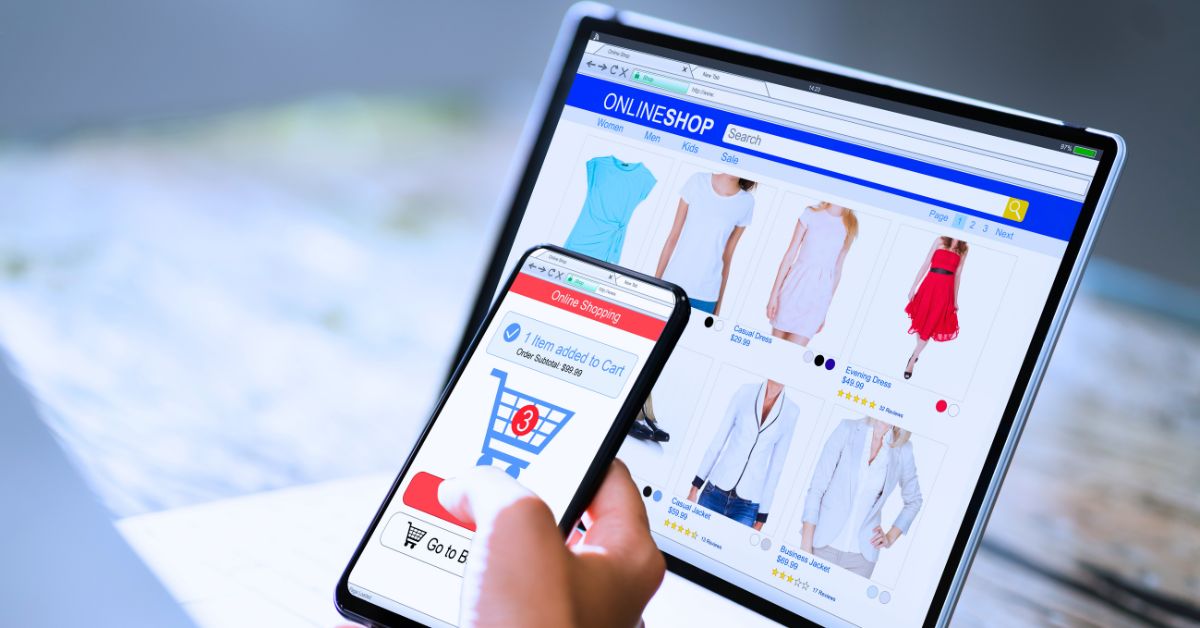
SIUPMSE refers to the trade business license for companies conducting the buying or selling of goods and services through electronic systems. This license falls under the authority of the Ministry of Trade.
It applies to businesses such as online stores, marketplaces, commercial e-commerce platforms, or intermediary services that facilitate online transactions.
In short, PSE governs the digital system and electronic management, while SIUPMSE governs commercial trade activity conducted online.
Why the Distinction Matters
Many businesses operate both a digital platform and a commercial trading function. A marketplace, for example, must register its system as PSE and also hold an e-commerce license.
The differences can be summarized as follows:
| PSE License | E-commerce License (SIUPMSE) | |
| Purpose | Regulates electronic systems and data processing | Regulates buying and selling of goods and services |
| Authority | Kominfo | Ministry of Trade |
| Required for | Digital platforms, websites, apps, SaaS, fintech, content services, systems collecting user data | Online sellers, marketplaces, commercial e-commerce businesses |
| Focus | Digital compliance and data protection | Trade regulation and consumer protection |
| Examples | Social media, fintech apps, digital content platforms, SaaS tools | Online stores, marketplaces, service sellers |
Many businesses require both licenses because they operate a digital system and perform commercial transactions.
Who Needs a PSE License
PSE registration is required for any digital platform reachable by Indonesian users, including:
- E-commerce platforms and marketplaces
- Streaming platforms and digital content providers
- Payment gateways, e-wallets, and fintech products
- SaaS and cloud services
- Mobile applications and websites that collect personal data
- Communication platforms such as messaging or social media
- Any foreign platform serving Indonesian users
If your platform collects user data, processes transactions, or distributes content, PSE registration is mandatory.
Register for a PSE License with Lets Move Indonesia
Who Needs an E-Commerce License (SIUPMSE)
SIUPMSE is required for businesses engaged in online trading activities, including:
- Online retail stores and sellers
- Marketplaces that facilitate trade
- E-commerce operators (local or foreign)
- Intermediary digital platforms that connect buyers and sellers
- Foreign e-commerce operators meeting Indonesia’s threshold criteria
In practice, most online stores and marketplaces need SIUPMSE.
Why Businesses Often Need Both Licenses
If a company operates a digital platform and conducts transactions, it must meet both sets of regulations. For example:
- A marketplace must register its system under PSE and its trading operations under SIUPMSE.
- A SaaS platform that does not engage in trade requires only PSE.
- A seller operating through its own website needs SIUPMSE, and if the website collects user data, it needs PSE.
Failure to comply with either requirement can result in penalties, platform blocking, or business disruption.
How Lets Move Indonesia Can Assist
Lets Move Indonesia helps businesses navigate these requirements confidently and efficiently. Whether you operate a digital platform, run an online store, or manage a foreign e-commerce operation, our team is ready to guide you through every step of the process.
We provide full compliance support for both PSE registration and e-commerce licensing. Our services include:
- Regulatory assessment for PSE and SIUPMSE
- Preparation and verification of required documents
- OSS RBA onboarding and application submission
- Compliance review for system descriptions and data protection
- Monitoring and communication with relevant authorities
- Post-approval guidance for future compliance updates
Our goal is to streamline the process and ensure your business remains fully compliant with Indonesian regulations.
Frequently Asked Questions (FAQ)
1. Do I need both PSE and SIUPMSE for my online shop?
Yes. If your shop operates a digital platform and sells goods or services online, you need both a PSE License and an E-Commerce license.
2. What if I only operate a digital service and not a store?
You only need a PSE license.
3. Is PSE required for a simple company website?
If the website collects any user data, such as contact forms or logins, PSE registration is required.
4. Do foreign platforms need PSE registration?
Yes. Any platform accessible by Indonesian users must register for a PSE license, regardless of location.
5. What happens if I operate without a PSE license?
Non-registered platforms may be blocked, fined, or required to cease operations until compliance is achieved.
6. Is SIUPMSE required for service-based platforms?
It is required only if your platform involves selling goods or services online.
7. Do I need other business licenses besides PSE?
Yes, depending on your business model. E-commerce operators require SIUPMSE, and other sectors require their own industry-specific licenses.