Global investment sentiment in 2026 has been shaped by persistent inflation, shifting supply chains, geopolitical uncertainty, and cautious monetary policies. Yet amid this volatility, Indonesia continues to stand out as one of Southeast Asia’s most attractive investment destinations.
Rather than slowing down, foreign direct investment continues to flow into Indonesia, supported by resilient economic growth, regulatory reforms, and expanding opportunities across manufacturing, digital technology, tourism, and renewable energy. For businesses looking to establish a long-term presence in ASEAN, Indonesia remains firmly on the radar.
If you are considering market expansion, the question is no longer whether Indonesia is growing, but whether now is the right time to invest.
Indonesia’s Investment Outlook Remains Strong
Indonesia began 2026 with robust investment performance. According to the Ministry of Investment and Downstream Industry (BKPM), total investment realisation reached approximately USD 29 billion during the first quarter of 2026, reflecting continued confidence from both domestic and foreign investors.
Several structural advantages continue to underpin this growth.
A Large and Expanding Consumer Market
Home to more than 280 million people, Indonesia offers one of the world’s largest domestic markets. A young population, rising middle class, and increasing digital adoption continue to fuel demand across consumer goods, financial technology, healthcare, education, logistics, and digital services.
For many international companies, Indonesia is no longer simply a manufacturing destination, it has become a sizeable consumer market in its own right.
Consistent Economic Growth
Indonesia has maintained GDP growth of around five per cent over recent years despite global economic headwinds. This level of stability provides businesses with greater certainty when planning long-term investments and regional expansion strategies.
Unlike many emerging economies that rely heavily on external capital, Indonesia benefits from balanced growth driven by both domestic consumption and investment, creating a more resilient business environment.
Government Commitment to Investment
The Indonesian Government continues to prioritise investment through ongoing regulatory reform, infrastructure development, and downstream industrialisation policies.
Rather than exporting raw materials, Indonesia increasingly encourages investors to establish processing facilities and value-added industries locally, creating new opportunities across multiple sectors.
Where Are Investors Focusing in 2026?
Investment opportunities now extend well beyond Jakarta. Indonesia’s regional development strategy has created specialised economic hubs across the country.
Java: Indonesia’s Digital and Commercial Centre
Java remains the country’s primary business hub, particularly for:
- Financial technology (FinTech)
- Software and SaaS businesses
- Digital platforms
- Data centres
- Logistics and distribution
- Corporate headquarters
Jakarta, Banten, Surabaya, and surrounding industrial corridors continue attracting significant domestic and foreign investment thanks to mature infrastructure and access to Indonesia’s largest consumer base.
Outer Islands: Industrial Expansion
Indonesia’s downstream processing policies continue transforming provinces such as Central Sulawesi and Maluku into strategic industrial destinations.
Growing investment sectors include:
- Mineral processing
- Battery manufacturing
- Renewable energy supply chains
- Metal smelting
- Electronic components
Government restrictions on raw mineral exports have accelerated investment into domestic processing facilities, creating long-term opportunities for international manufacturers.
Bali, Lombok and Yogyakarta: Tourism and Creative Economy
Tourism continues evolving beyond hospitality alone.
Investors are increasingly exploring:
- Boutique hotels
- Eco-resorts
- Wellness businesses
- Co-working spaces
- Lifestyle developments
- Creative industries
- Digital nomad infrastructure
As international visitor numbers continue recovering, these regions remain attractive for businesses targeting tourism, hospitality, and remote working communities.
Regulatory Reforms Continue Improving the Business Climate
Indonesia’s investment environment has become increasingly structured over recent years.
Several regulatory developments introduced during 2025 and 2026 aim to improve business certainty while strengthening compliance.
These include:
- Updated KBLI 2025 business classifications
- Continued implementation of Risk-Based Business Licensing through the OSS system
- PP No. 28 of 2025, introducing the Positive Fictitious (Fiktif Positif) mechanism to reduce administrative delays
- Updated tourism licensing under Minister of Tourism Regulation No. 6 of 2025
Collectively, these reforms are designed to make licensing more predictable while ensuring businesses operate within a transparent regulatory framework.
For foreign investors, this creates greater certainty when establishing operations and obtaining the licences required to conduct business legally in Indonesia.
Indonesia’s Growing Digital Economy Creates New Opportunities
Beyond traditional industries, Indonesia’s digital economy continues expanding rapidly.
Growing sectors include:
- Software-as-a-Service (SaaS)
- Artificial Intelligence
- E-commerce
- Payment technology
- Cybersecurity
- Cloud computing
- Digital healthcare
- Education technology
At the same time, regulatory oversight is becoming increasingly sophisticated.
Recent developments, including updated marketplace tax collection mechanisms, strengthened electronic commerce regulations, revised KBLI classifications, and enhanced reporting obligations, demonstrate the Government’s continued commitment to building a transparent and sustainable digital business ecosystem.
For companies entering Indonesia’s digital market, understanding licensing and compliance requirements from the outset is becoming just as important as identifying commercial opportunities.
Investment Incentives Continue to Attract Foreign Capital
Indonesia also continues offering various incentives designed to encourage long-term investment.
Depending on the industry and investment location, businesses may benefit from:
- Tax Holiday facilities
- Tax Allowance incentives
- Super tax deductions for labour-intensive industries
- Investment opportunities within Special Economic Zones (KEK)
- Simplified licensing through the Online Single Submission (OSS) system
Eligibility depends on the nature of the investment, business sector, and applicable government regulations.
Establishing Your Business in Indonesia
Foreign investors typically establish operations through a PT PMA (Foreign-Owned Company).
Depending on the business activity, the incorporation process may involve:
- PT PMA establishment
- Business Identification Number (NIB)
- OSS Risk-Based Business Licensing
- Tax registration (NPWP)
- Corporate bank account opening
- Sector-specific operational licences
- Work permits and KITAS for foreign directors or employees
The exact licensing pathway depends on the company’s selected KBLI classification and business activities.
Is Indonesia Still Worth Investing In?
For many international businesses, the answer remains yes.
Indonesia combines one of Asia’s largest consumer markets with stable economic growth, improving infrastructure, supportive investment policies, and an increasingly mature regulatory framework.
While compliance requirements have become more structured, they also provide greater certainty for legitimate investors seeking sustainable long-term growth.
Businesses that prepare the correct legal structure, obtain the appropriate licences, and maintain ongoing compliance are well positioned to benefit from Indonesia’s continued economic expansion.
Stay Updated on Business Regulations in Indonesia with Lets Move Indonesia
Indonesia’s investment landscape continues to evolve through new licensing requirements, tax policies, immigration regulations, and corporate compliance obligations. Staying informed is essential for businesses planning to enter—or expand within—the Indonesian market.
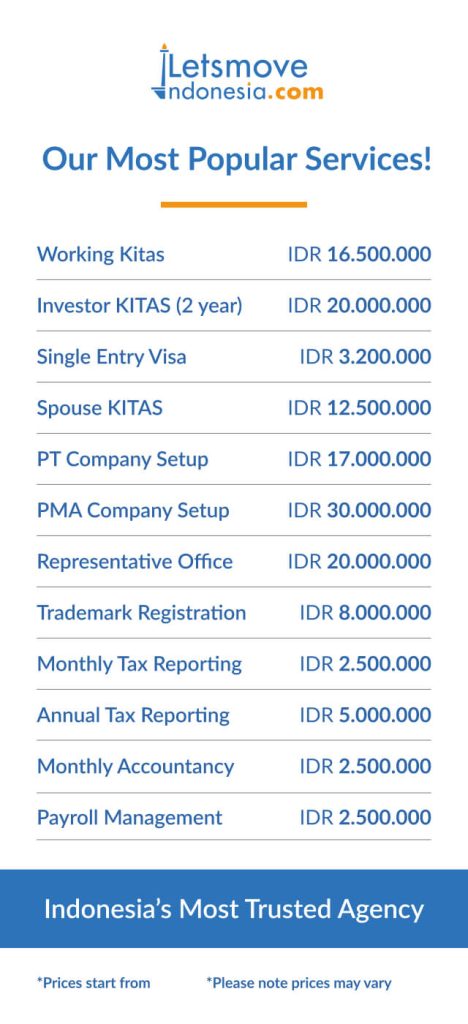
At Lets Move Indonesia, a subsidiary of LMI Consultancy, we help foreign investors navigate every stage of establishing and operating a business in Indonesia. Our consultants provide end-to-end assistance with:
- PT PMA company establishment
- Business Identification Number (NIB) registration
- OSS Risk-Based Business Licensing
- Corporate tax registration and compliance
- Work permits and KITAS applications
- Ongoing corporate, immigration, and regulatory support
Whether you are launching a digital startup, opening a regional office, or investing in Indonesia for the first time, our team can help you build a compliant business foundation while keeping you informed of the latest business and regulatory developments affecting foreign investors in Indonesia.